
Battery and inverter compatibility is a system question. Before ordering, identify the exact battery model and voltage variant, the proposed inverter and the operating modes the site needs. Our team can help identify the integration requirements for your proposed combination, including communications, controls and any additional interface equipment. Source: FWA inverter compatibility.
A useful approval covers the equipment combination actually being supplied. Keep that confirmation with the proposal so the buyer, installer and commissioning team work from the same scope.
Check more than the communications label
CAN-bus communication, operating voltage and inverter power all need to suit the selected battery. Cable pin configurations vary by model, and some combinations require a specific battery profile. Check the supported wiring, protocol and settings as well as the physical connector. Source: manufacturer interfacing guide, sections 2–3.
| Review area | Evidence to request | Decision it supports |
|---|---|---|
| Equipment identity | Full model codes, voltage variants and document revisions | Are all parties reviewing the same hardware? |
| Electrical limits | Battery operating range and inverter input/output limits | Can the proposed combination meet the load brief? |
| Control interface | Approved protocol, cable, profile and firmware requirements | Is the intended communication arrangement documented? |
| Operating modes | Agreed charging, discharge, backup and recovery functions | Does the scope cover the site's priorities? |
| Handover | Recorded settings, functional checks and support contacts | Can the operator use and maintain the system? |
Use this checklist to compare the complete battery, inverter and control arrangement in each proposal. FWA integration guidance.
Define the required operating modes
Write down what the completed installation must do in ordinary operation and when a supply source is unavailable. A brief might include storing surplus solar, serving selected loads after sunset and supporting specified circuits during an interruption. Treat each requested function as a separate item for the supplier to confirm.
For each function, ask which equipment provides it, what conditions must be met and how it will be demonstrated. If a function requires additional switching or control equipment, identify that item in the quoted scope. This prevents a general statement of compatibility from being mistaken for confirmation of every operating requirement.
Agree the priorities when requirements compete. For example, a hypothetical owner may want energy reserved for an interruption while also using stored solar every evening. The proposal should describe the agreed balance and the information available to the operator. That is a design decision for the specific installation, not a capability established by matching product names.
Identify where power conversion is supplied
The battery package changes the integration question. SOLVA AC261 and AC418 include a power conversion system, while DC208, DC261 and DC418 require external inverter integration. RT261 has a separate dual-conversion arrangement. Ask the supplier to identify the conversion equipment included with the selected model and any additional equipment in the project scope. Source: SOLVA technical brochure, range overview.
Our SOLVA configuration guide explains those distinctions. In a retrofit, provide the existing equipment schedule rather than assuming an available inverter can serve a different battery architecture.
Compare a retrofit with a complete replacement
Consider a hypothetical site that already owns an inverter and is replacing its battery. One proposal might retain the inverter, subject to a confirmed integration review; another might replace the conversion equipment as part of a different storage arrangement. Compare both against the same required functions and identify the work included in each.
For the retention option, ask what evidence supports reuse of the existing model and configuration. Identify any required interface, firmware or control changes and who will complete them. For the replacement option, ask which existing connections and monitoring arrangements will change, and how the transition will affect the site's operation.
Compare the total installation scope rather than the battery line item alone. Include investigations, equipment changes, commissioning and handover in the comparison, and make unresolved dependencies visible. A preferred option should explain how it meets the brief and what remains to be confirmed before ordering, without assuming that retaining more equipment is automatically the better commercial choice.
See how integration works in practice
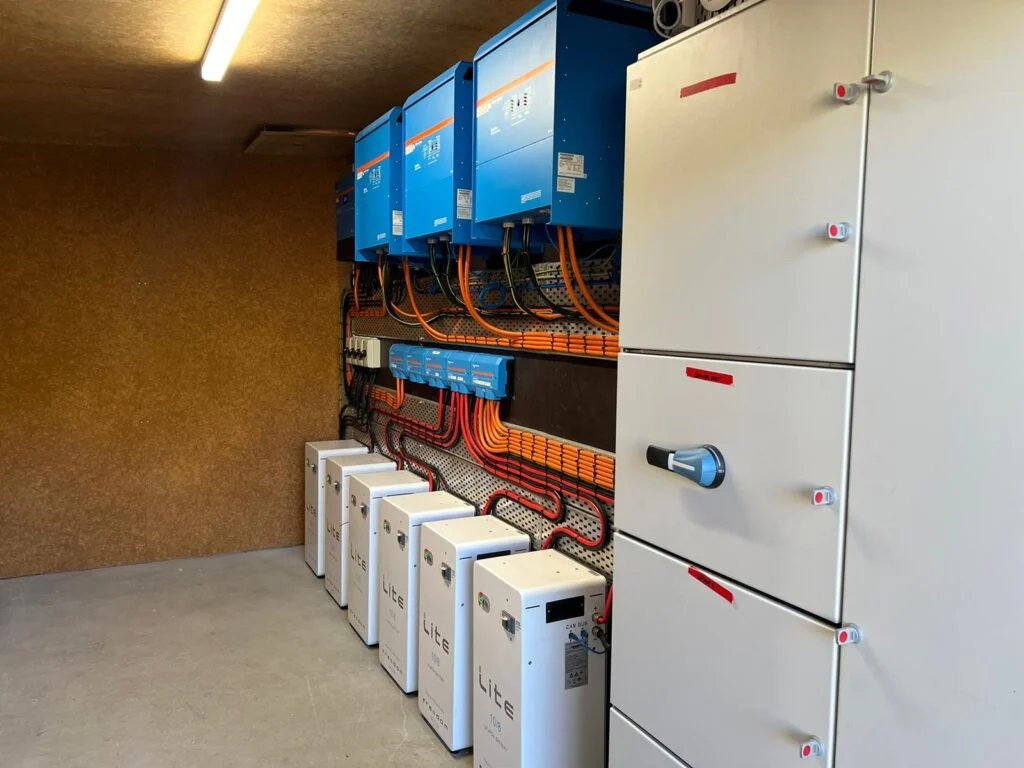
Our New Zealand three-phase installation uses three Victron Quattro inverters and six Freedom Won LiTE Home 10/8 52V batteries. Lolowai uses a different architecture: a 150kW ATESS HPS150 with 300kWh of Freedom Won high-voltage storage. Both combine storage and conversion around the site’s requirements; your proposal should identify its own supported equipment configuration. Source: FWA project gallery; Lolowai project sheet.
When using a reference installation in a discussion, ask which features carry over to your proposal and which require a fresh assessment. Your loads, equipment revisions and operating requirements may differ.
Resolve document discrepancies explicitly
Use one confirmed equipment schedule for the proposed installation. It should name the exact battery and inverter models and identify the applicable document revisions. Where product names or documents differ, obtain a clear answer from the supplier before finalising the proposal.
Apply the same discipline to an existing installation: supply photographs of equipment nameplates and available commissioning records, then ask which current documents apply. Keep unresolved questions visible until the supplier answers them.
Keep substitutions under the same review process. If a quoted model becomes unavailable, ask for an updated equipment schedule and confirmation of the replacement combination before accepting the change. The review should identify any effect on the required functions, accessories, configuration or commissioning plan. Carry the confirmed change into the final drawings and handover record so the installed system can be traced back to the approved scope.
Request a useful commissioning and handover scope
- Ask the installer to record the approved equipment, firmware and configuration.
- Agree demonstrations of the operating modes included in the contract.
- Request documented checks of battery status reporting and control responses.
- Include alarm handling, communication-loss response and recovery in the approved test plan.
- Record monitoring access, configuration backups and responsibility for future changes.
If separate contractors supply the battery, inverter and site controls, name the party responsible for integration acceptance. Agree who investigates a fault that crosses those equipment boundaries and who maintains the final configuration record.
Make acceptance observable
For each agreed operating mode, request a record of the test conditions, the observed result and any limitation on the demonstration. Identify which readings were used to establish that the system behaved as intended. A screen showing a battery connection can be one piece of evidence, but the acceptance record should address the functions promised in the proposal.
For example, an agreed evening-discharge demonstration could record the starting battery state, the loads included, the selected operating mode and the observed energy flows over the test period. These are suggested record categories, not a prescribed test procedure or a performance guarantee. The responsible installer should define the appropriate method for the approved equipment and site.
Record unresolved items and identify who will close them out. Make sure the operator receives the final configuration record, understands the monitoring arrangement and knows where to direct an integration question. If the battery, inverter or controls are changed later, those records provide a useful starting point for assessing the proposed modification.
Discuss marine voltage variants separately where the application requires them. For a new proposal, send FWA the battery and inverter model codes, existing drawings and required operating modes. Request a confirmed combination from the FWA product range, supported by the relevant technical documents.
Frequently asked questions
Does a listed inverter brand guarantee every model is compatible?
No. Confirm the exact battery, voltage variant, inverter model and integration requirements. A reference project or brand listing is not a model-specific approval for your installation.
Is matching the battery and inverter voltage enough?
Voltage is one check. The review must also address electrical limits, communications, operating modes and the equipment included in the proposed system.
Where should I start checking an existing installation?
Gather model and serial-number photographs, the inverter and battery documents, the equipment schedule and any commissioning records. Send these with your intended changes to FWA for a specific review.